
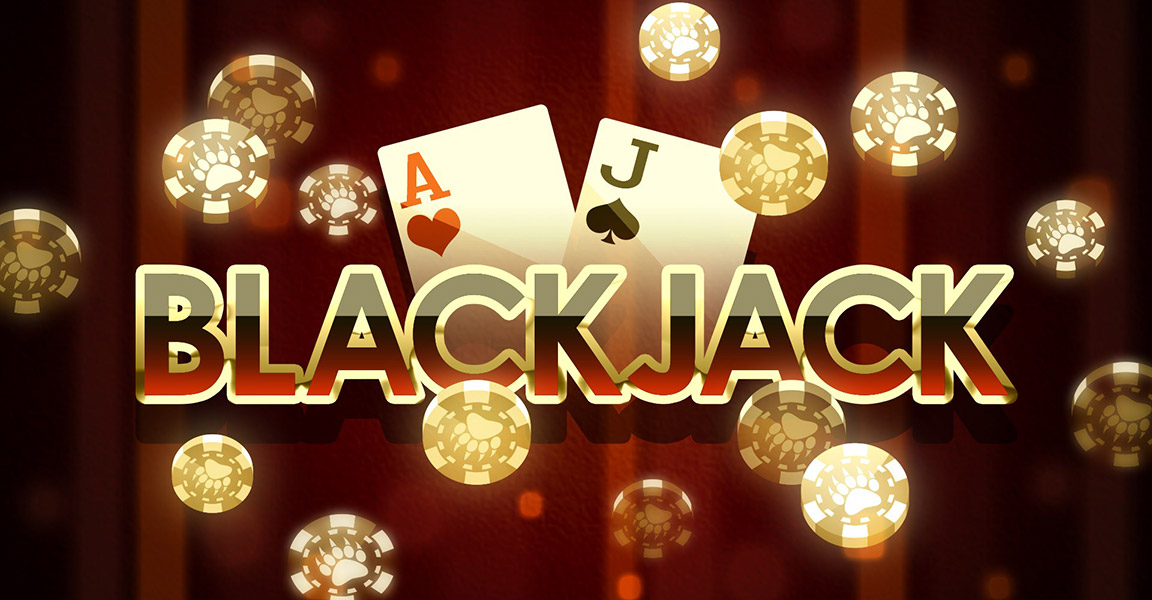
Blackjack, also known as 21, is one of the most popular casino card games worldwide due to its simple rules, fast gameplay, and low house edge when played optimally.
You play against the dealer, not against other players at the table. The objective is to have a hand value closer to 21 than the dealer without going over 21 (“busting”).
How Card Values Work
Number cards (2-10) are worth their face value.
- Face cards (Jack, Queen, King) are each worth 10.
- Aces are worth 1 or 11, whichever benefits your hand most.
For example:
- Holding A + 7 can be worth either 8 or 18.
- Holding A + 7 + 9 would be worth 17 (Ace counts as 1 to avoid busting).
How to Play Blackjack
Place Your Bet
Before cards are dealt, place your chip(s) in the betting circle.
Dealing Cards
- The dealer gives two cards to each player, face up.
- The dealer also takes two cards:
- One face up (the upcard),
- One face down (the hole card).
Player Decisions
Starting from the player to the dealer’s left, each player decides how to play their hand.
You have the following options:
- Hit: Take an additional card to increase your total.
- Stand: Keep your current total and end your turn.
- Double Down: Double your original bet and receive exactly one more card before standing.
- Split: If you have a pair (e.g., 8-8), you can split them into two separate hands, place an additional bet equal to your original bet, and play
each hand individually. - Surrender (if allowed): Forfeit half your bet and end the hand immediately.
You can continue hitting as many times as you wish unless you bust (go over 21), which means you automatically lose.
Dealer’s Turn
Once all players have completed their actions:
- The dealer reveals their hole card.
- The dealer must hit until reaching at least 17.
- In some casinos, the dealer will hit on a “soft 17” (e.g., A + 6), but rules vary.
If the dealer busts, all remaining players win automatically.
Settlement
After the dealer stands or busts:
- If your hand is closer to 21 than the dealer’s, you win and are paid 1:1.
- If you have Blackjack (an Ace + 10-value card) and the dealer does not, you win and are paid 3:2.
- If the dealer’s hand is closer to 21, you lose your bet.
- If you and the dealer have the same total, it’s a push, and your bet is returned.
Key Features of Blackjack
- Simple and fast gameplay that is easy to learn.
- House edge is low with correct strategy (using a basic strategy chart).
- Players make decisions to hit, stand, double, or split, adding skill to the game.
- Your goal is only to beat the dealer, not to get 21 every time.
- Blackjack pays 3:2, providing better payout than standard wins.